
It’s about more than just the architect’s name.
In the world of real estate, “architecturally significant” is a term used with varying degrees of accuracy. Sometimes it refers to a pedigree name or a specific historic style; other times, it’s simply shorthand for “different.”
In reality, true architectural significance has less to do with labels and far more to do with clarity of design, quality of execution, and how a home relates to its site. These are the elements that provide a property with lasting appeal and, ultimately, long-term value. In a city like Atlanta—where architecture is shaped as much by rolling topography and privacy as it is by form—understanding these distinctions is essential.
Architecture is About Intent, Not Ornament
An architecturally significant home begins with a singular, clear idea. Whether the aesthetic is modern, traditional, or somewhere in between, that core concept should be evident in the home’s composition.
In these homes, proportions make sense and spaces relate to one another logically. The exterior expresses what is happening inside rather than disguising it behind a facade. Ultimately, significance is rarely about decoration; it is about restraint, coherence, and purpose. While homes that rely on surface-level trends often age quickly, those built around a strong architectural concept remain relevant long after the trends fade.
Proportion and “Massing” Over Square Footage
One of the most common misconceptions in our market is that size equals significance. It doesn’t.
Architecturally strong homes rely on massing—which is essentially the way a building’s three-dimensional shapes are organized and scaled. Think of it as the home’s “silhouette.” Instead of one giant, undifferentiated box, a well-massed home is a balanced composition of shapes that create a sense of rhythm.
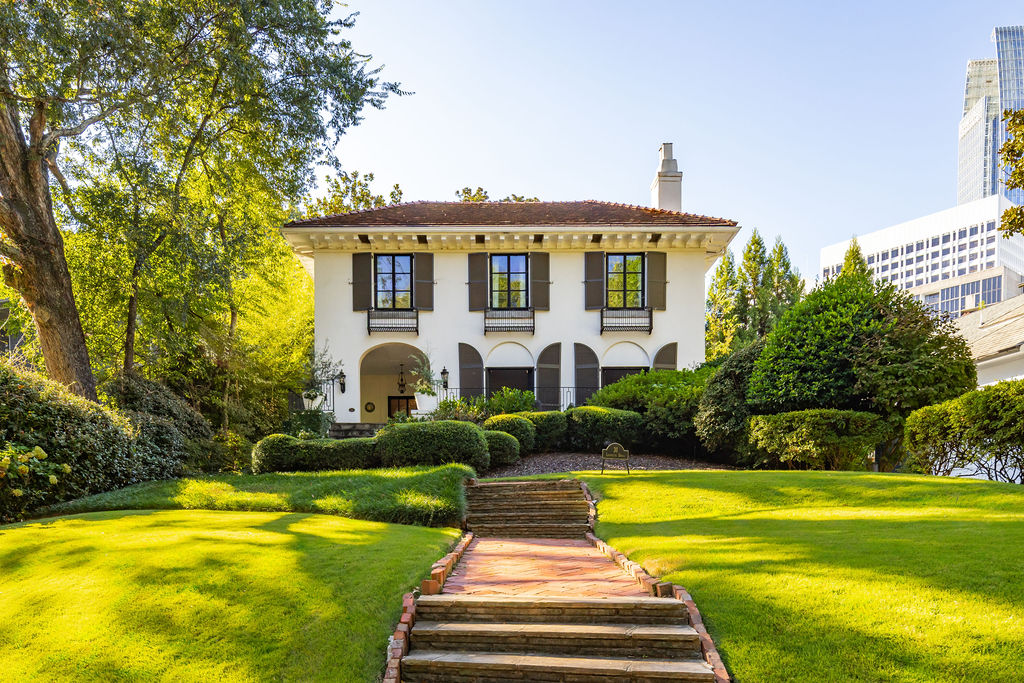
In Atlanta especially, where homes sit within mature neighborhoods and heavy tree canopy, good massing is critical. It allows a large home to feel tucked into the landscape rather than looming over it. If a house feels calm and composed the moment you approach it, you are likely reacting to the massing. It’s the difference between a house that is merely “big” and one that is truly “grand.”
The Relationship to the Land is Everything
Architecture does not exist in isolation; it must respond to its environment. In Atlanta, this is one of our greatest architectural strengths. Our topography and deep setbacks allow architects to work with elevation, light, and privacy in meaningful ways.
Significant homes don’t fight the lot; they embrace it by:
- Following the natural slope of the land.
- Utilizing outdoor spaces as a seamless extension of the interior.
- Framing views of the landscape rather than dominating them.
- Respecting existing old-growth trees and the natural canopy.
When a home feels as though it belongs exactly where it sits, you are looking at thoughtful architecture.
Material Choices and “Honest” Design
Good architecture is honest about its materials. Brick looks like brick, wood looks like wood, and stone is used structurally rather than just decoratively.
In these homes, materials are selected for their longevity and how they patina over time. This is why significant homes tend to photograph beautifully year after year—they don’t just look good when they are new; they settle into their surroundings and grow more compelling with age.
Intelligence Found in the Floor Plan
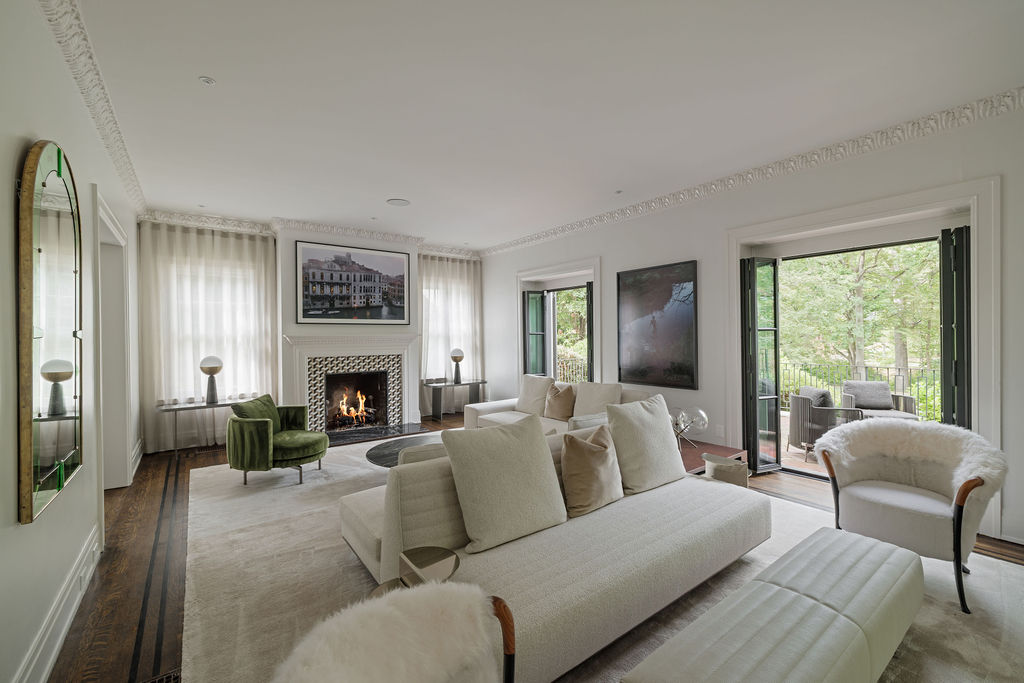
You can often discern a home’s architectural intelligence by studying the floor plan alone. Significant homes prioritize logical circulation and a clear separation between public and private spheres.
They favor a sense of flow and natural light over a labyrinth of excess hallways. While “open plans” are common today, the difference in a well-designed home lies in whether those spaces feel defined and intimate without being closed off.
Renovation: Enhancing vs. Erasing
Not all renovations are created equal. A thoughtful update respects the original intent of the home, improving functionality while preserving its material integrity. Conversely, poor renovations often strip away the very character that made a home special.
Whether it’s replacing original windows or altering a roofline, understanding what should be preserved is just as important as knowing what should be changed.
Why Architecture Drives Long-Term Value
While not every significant home carries a record-breaking price tag, these properties are often the most resilient in any market cycle. Thoughtful design attracts discerning buyers, ages gracefully, and requires fewer cosmetic overhauls.
In an Atlanta market that increasingly prizes privacy and design integrity, architecture is a differentiator, not a liability.
Navigating the Atlanta Market with Intention
The most compelling homes rarely announce themselves with spectacle. They reveal their value slowly, through the experience of living in them—the way the morning light hits a breakfast nook or how a house feels perfectly “tucked” into a North Georgia hillside.
Learning to recognize these hallmarks allows buyers to make better long-term investments and helps sellers articulate the quiet details that truly set their property apart. In a city as layered and landscape-driven as Atlanta, having a partner who understands the nuance of design is the difference between finding a house and acquiring a masterpiece.
Are you looking for a home that offers more than just square footage?
Whether you are seeking a property with architectural integrity or looking to position a unique home for sale, I’m here to help you navigate the process with a focus on design and long-term value. Let’s discuss how we can find a space that is as considered as it is beautiful.