Renovation, Restoration, and the Value of Architectural Character
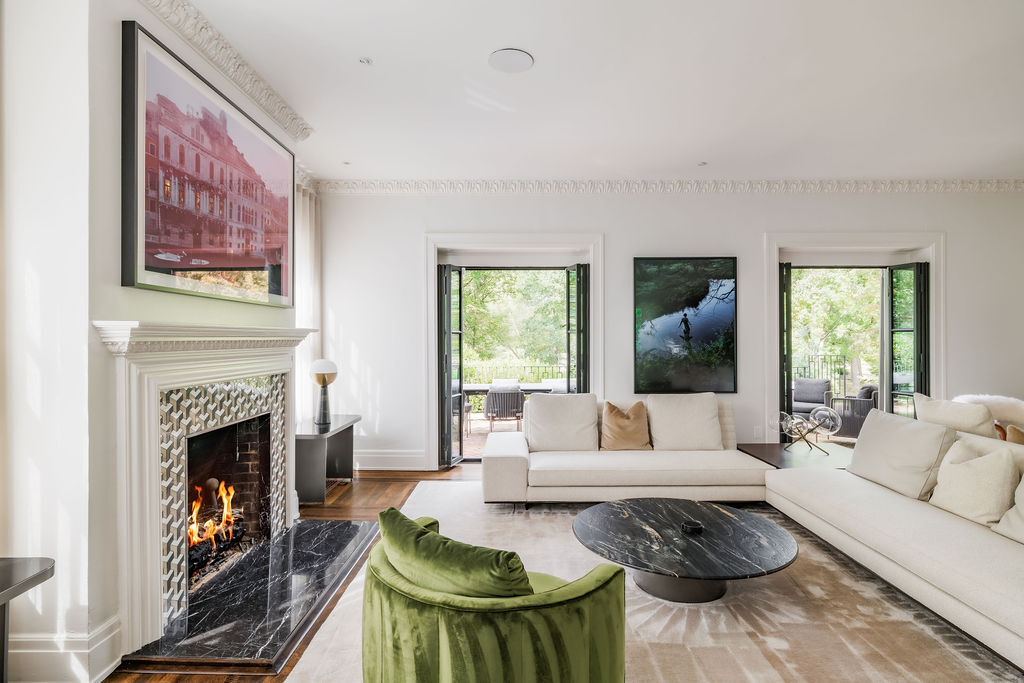
Atlanta has an extraordinary collection of older homes, particularly throughout established neighborhoods like Ansley Park, Morningside, Virginia-Highland, Druid Hills, and Buckhead. Part of their appeal comes from qualities that are difficult to reproduce today: original craftsmanship, mature settings, thoughtful proportions, and architectural details that give each property a distinct sense of place.
But owning an older home inevitably raises questions about what should change and what should remain. Kitchens need to function for modern life. Mechanical systems need to be updated. Floor plans sometimes need to evolve. At the same time, many of the details that make these homes special can be lost surprisingly quickly during a renovation.
That is where the distinction between renovating and restoring becomes important.
Renovation and Restoration Serve Different Purposes
Renovation is generally about improving the way a home functions today. That might mean reworking a kitchen, updating bathrooms, replacing mechanical systems, improving storage, or adjusting a floor plan to better suit the way people live now.
Restoration has a different objective. It focuses on preserving, repairing, or thoughtfully returning important architectural elements to a condition that respects the original design of the home.
For an older Atlanta property, the best approach is rarely one or the other. The most successful projects usually find a balance between the two.
Understanding What Is Worth Preserving
Not every original feature of an older home has to remain untouched, but some elements contribute far more to the character of the property than their size or function might suggest.
Original windows, millwork, flooring, fireplaces, staircases, doors, plaster details, masonry, and exterior trim can all play a significant role in how a house feels. Together, they establish proportion and continuity throughout the home, often reflecting a level of craftsmanship that would be expensive or difficult to recreate today.
The cumulative effect matters.
Replacing one detail may seem insignificant. Replacing every historic window or eliminating the original room proportions can fundamentally change the architecture.
Before beginning a renovation, it is worth identifying which elements are simply old and which ones are actually important to the design.
Modernizing an Older Home Does Not Mean Erasing It
Preservation should not prevent a home from evolving.
Most older Atlanta homes were designed around lifestyles that are very different from the way we live today. Kitchens were often more enclosed, closets were smaller, bathrooms were fewer, and expectations around lighting, technology, climate control, and entertaining have changed considerably.
There is nothing inherently wrong with addressing those limitations. In fact, thoughtful modernization can make an older property far more enjoyable while allowing its original architecture to remain the defining feature.
A new kitchen does not need to look as though it was installed in 1925. A primary bathroom can be entirely contemporary. Modern lighting, HVAC, electrical systems, and technology can all be introduced without overwhelming the character of the home.
The goal is not to recreate the past. It is to make sure the new work understands what it is being added to.
Where Renovations Can Go Too Far
One of the easiest mistakes to make with an older property is assuming that newer is automatically better.
An extensive renovation can be beautifully executed and still remove some of the qualities that made the home interesting in the first place. Opening every room, replacing original windows, removing detailed millwork, or applying the same collection of current finishes throughout a historic house can leave a property feeling polished but less distinctive.
Different architectural styles were designed with different ideas about proportion, materials, light, and movement. A Tudor residence was not intended to feel like a contemporary new build, just as a mid-century home should not necessarily be remodeled to resemble a traditional estate.
A thoughtful renovation should improve the property without making its original architecture harder to recognize.
Original Does Not Always Mean Significant
There is an opposite mistake as well: assuming that everything old deserves to be saved.
Many Atlanta homes have already been altered numerous times. A kitchen added thirty years ago may technically be old, but that does not make it historically or architecturally important. The same applies to poorly designed additions, outdated systems, awkward room configurations, or modifications that have little connection to the original house.
Good restoration requires judgment.
Rather than asking only whether something is original, consider whether it contributes meaningfully to the home. Does it support the architecture? Does it demonstrate craftsmanship worth retaining? Does it influence the proportions or character of the space?
If the answer is no, changing it may actually make the original design clearer.
Buyers Should Look Beyond the Finishes
This distinction also matters when buying an older home.
It is natural to notice the newly renovated kitchen, updated bathrooms, lighting, and finishes first. Those features have an immediate visual impact, particularly online. But they are also among the easiest components of a property to change.
The more difficult qualities to recreate are usually embedded in the house itself: ceiling heights, room proportions, window placement, natural light, masonry, site orientation, craftsmanship, and the relationship between the home and its surroundings.
A dated kitchen can be replaced. Original architectural character is considerably harder to put back once it has been removed.
When evaluating a renovated older home, it is important to look beyond how much work has been completed and consider how thoughtfully that work was done.
Start With What Should Stay
Owners considering a major project often begin by making a list of everything they want to change. With an older or architecturally significant home, it can be just as useful to begin with a list of what should stay.
Identifying the home’s defining features at the beginning provides a framework for every decision that follows. It becomes easier to determine where contemporary changes can be made freely and where a more restrained approach may produce a better result.
It can also prevent an expensive renovation from inadvertently removing something that cannot easily be replaced.
The Best Older Homes Continue to Evolve
Atlanta’s older housing stock has never been static. Many of the homes we admire today have been adapted numerous times over decades of ownership. Kitchens have moved, additions have been built, systems have been modernized, and the way the spaces are used has changed.
The best projects allow you to see both the history of the home and the care that went into updating it.
A thoughtful renovation makes a house work better. A thoughtful restoration protects the qualities that made the house worth investing in to begin with.
For Atlanta’s older and architecturally significant homes, understanding when to do each can make all the difference.
Considering the purchase, renovation, or sale of an older Atlanta home? Connect with Will Letton to discuss the property, its architectural character, and how those details may factor into your real estate decisions.
Contact Will Letton:
Phone: (404) 680-7866
Email: will@willletton.com
Website: https://willletton.com